All Categories
Featured
Table of Contents
For cool-season yards, early fall is best, while warm-season grasses take advantage of late spring rejuvenation. In the video above, Cook finishes this task throughout Oregon's moderate, misty weather condition, which offers excellent conditions for yard growth. Follow these actions to bring your lawn back to life. Begin by trimming your yard to a height of 1-and-1/ 2 inches.
Gather the lawn clippings to avoid smothering the yard. Rake up and get rid of the thatch pulled from the yard.
Roger Cook, This Old House landscape specialist, describes the mechanics: "The gas engine drives these spikes down into the ground. As they revolve, they go into the ground, come out, and they take out a casting, a piece of dirt, and it lays on the surface area in fact leaving a hole in the yard.
Compost adds nutrients and enhances soil structure. Conduct a soil test to evaluate the physical structure and nutrient material of your soil. Modify the soil based upon the test results. Roger Cook, This Old House landscape contractor, stresses the importance of modifying bad soil: "Plants can't grow in a few of the junk that's left behind.
Manual for DIY Turf Restoration
Use a broadcast spreader for even distribution. Overseed the lawn with new grass seed. Cook recommends utilizing a mix of turf seeds and using it at a rate of about 7 pounds per 1,000 square feet. Use the back of a leaf rake to work the seed gently into the soil.
Perennial ryegrass will germinate in 5 to 7 days, with other turf types taking slightly longer. Roger Cook, This Old House landscape contractor, advises: "On average, offer yard seeds a 5-minute shower 2 or 3 times a day.
How to Implement Nutrient Cycling in Local GardensTopdressing with a thin layer of soil or sand can assist enhance soil structure and root advancement. This practice is particularly helpful for lawns with uneven surfaces or minor dips. Spread out the topdressing product evenly across the yard and work it in with a rake. Effective weed management is vital during the yard rejuvenation procedure.
Natural Fertilizer Alternatives for Thicker Grass
Keeping weeds in check throughout the establishment phase ensures that your new lawn can grow without competitors. Keeping the suitable soil pH is crucial for optimal lawn development.
Here are some ideas to keep your lawn looking its finest: Aerate and dethatch each year or as required. Apply fertilizer according to your grass type and soil requirements. Control weeds through appropriate lawn care practices and spot treatments. Cut regularly at the proper height for your lawn type. Water deeply but occasionally to motivate deep root growth.
Be prepared to attend to the following: New lawn needs constant wetness to germinate, while established turf has various water needs. Too much water can cause root rot in fully grown yard, while insufficient can avoid brand-new seeds from growing. Changing your watering schedule or using sprinklers created for even protection can assist handle this balance.
This can lead to unequal turf protection and wasted effort. To prevent this, consider using seed blankets, straw, or light topsoil to help hold the seeds in location throughout rainstorms. Even with mindful seeding, some areas may grow quicker or more largely than others, leading to a patchy lawn. This can be due to factors like soil quality, sun exposure, or seed distribution.
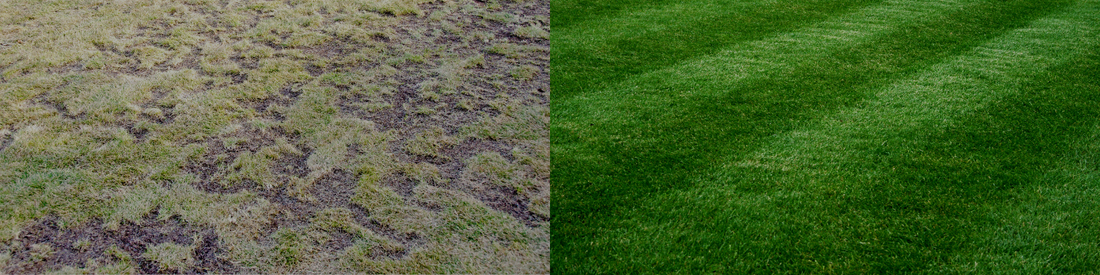
Weeds can quickly make the most of the bare spots or thin locations in a rejuvenating yard, outcompeting young turf. Utilizing a starter fertilizer with pre-emergent weed control or manually getting rid of weeds can help minimize their spread during this susceptible phase.
Reviving Your Lawn With Organic Soil Amendments
A lavish, green yard not just boosts the visual appeal of your home but likewise serves as a welcoming outdoor space for relaxation and leisure. As the entrance to your home, the condition of your lawn plays an important role in developing a favorable first impression. A well-manicured lawn contributes to the total appeal of your residential or commercial property and can even increase its market worth.
That's where our lawn restoration guide can assist you. Lawn restoration goes beyond routine upkeep; it includes a strategic overhaul to attend to existing concerns, enhance soil health, and boost total strength.
Before diving into the remodelling process, it's essential to perform a thorough evaluation of your lawn's existing condition. Comprehending the existing issues will help tailor your renovation plan to deal with particular requirements.
Identifying the kinds of weeds present will assist your weed control method throughout remodelling. Bare patches: Locate areas where the yard is sporadic or missing. These spots may arise from heavy foot traffic, family pet activities, or illness. Compressed soil: Soil compaction impedes root development and water absorption. Recognize areas where the soil feels tough and compressed.
How to Implement Nutrient Cycling in Local GardensHow to Improve Soil Health With Ease
To create a tailored strategy for your yard's dietary needs, perform a soil test. This analysis provides insights into your soil's pH levels, nutrition content, and natural matter. Understanding the soil structure helps figure out the ideal fertilizers and modifications required for ideal plant development. We advise the MySoil Pro Pack Home Soil Test Kit, which consists of a probe and two test kits so you can reconsider your soil once you have made changes.
Whether it's enhancing the general appearance, addressing specific concerns like bare spots, or enhancing the yard's strength, clear goals will guide your remodelling strategy. Consider how your renovation can contribute to your yard's long-lasting health and sustainability.
Consider the expenses connected with buying quality lawn seeds or sod, fertilizers, soil modifications, and any needed devices like aerators or spreaders. Furthermore, consider the prospective cost of expert services or specialized tools if your job warrants them. While it might be appealing to cut corners to decrease expenses, purchasing top quality seeds, fertilizers, and soil modifications is important for the long-term success of your yard.
A properly maintained yard often requires less maintenance and restorative procedures over time, possibly decreasing future expenses. Research study turf types well-suited to your area, considering factors like temperature level, sunlight, and soil conditions.

Table of Contents
Latest Posts
Maintaining Lawn Health Through Effective Maintenance Habits
How to Enhance Turf Soil QualityStrategic Lawn Restoration Tips for Success
Maintaining Lawn Vitality Year-RoundStrategic Lawn Renovation Secrets for Success
Latest Posts
Maintaining Lawn Health Through Effective Maintenance Habits
How to Enhance Turf Soil QualityStrategic Lawn Restoration Tips for Success
Maintaining Lawn Vitality Year-RoundStrategic Lawn Renovation Secrets for Success