All Categories
Featured
Table of Contents
Another alternative is a small skid guide loader like a Dingo or Kanga Loader with the rotary hoe accessory. If you have a large area, then a Dingo or Kanga Loader with the 4 in 1 container will assist here too. Once you master these machines they are good fun to operate and make light work of the task, particularly if you need to move the get ready hill.
What Is the Best Grass Seed for Sunny YardsAt the opposite end of the scale from sandy soil are clay soils. These hold water and nutrients extremely well but don't drain pipes as well as sandy soils, specifically if compressed, a typical circumstance for yards with a clay soil base. Adding raw material and plaster and then cultivating to mix these through the soil will work wonders, opening up the soil's structure, enhancing the drainage and oxygen levels, and making the nutrients more readily available.
If it's too dry it will be tough and extremely tough to cultivate. If it's too wet it becomes too slippery and boggy and you'll probably do more damage than great, not simply to the soil but also yourself as you move around and fall over while trying to hold on to an out of control rotary hoe.

Just how much raw material and plaster you include depends on the soil. For light clay about 1Kg/square meter of gypsum is the usual application rate. 2kg/meter for heavier clays. A layer of about 20-30mm of organics need to be plenty before cultivating through the soil. In many cases, with a light clay soil for instance, all you may need to do is spread the gypsum and then cultivate before generating and spreading your turf underlay soil mix.
Methods for Boosting Your Turf Soil HealthStrategic Turf Restoration Tips for Success
You may get some kikuyu to grow in patches, however you'll have all sorts of problems for many years. The very best way to deal with this is to generate brand-new soil and raise the whole area a minimum of 100mm however preferably 150mm. Drain is a major concern here, so before presenting the new soil, contour the existing clay, sloping it in the direction you want any water to go which will hopefully reduce any pooling and bogginess.

Like with anything around the home and garden, if you have issues or are unsure about things, get some advice from a professional landscaper or grass grower before going ahead.
The trick to a lush, green yard lies beneath the surface area. Healthy soil is the foundation of any growing lawn, supplying important nutrients, great structure, and correct drainage. Yet, few people understand how crucial the condition of their soil is to the overall health of their yard. Soil richness and balance can make the distinction between a yard that's robust and lively and one that's sparse and having a hard time.
Soil texture, structure, and nutrient material are key elements that add to the quality of your lawn. When soil remains in leading condition, it supports strong turf development and makes your lawn more durable to difficulties like drought or bugs. Getting your soil fit does not have actually to be made complex.
By discovering how to improve and preserve soil health, you'll ensure your yard not just survives but flourishes. Healthy soil is vital for a dynamic lawn.
Manual Turf Renovation GuideEssential Steps for EnhancingLawn Vitality
This texture helps roots spread easily and enables water and air to stream through. Soil likewise needs an excellent structure, which suggests having areas for roots to grow and earthworms to walk around, helping to keep everything loose. Nutrients in the soil, like nitrogen, phosphorus, and potassium, are crucial for yard health.
Healthy soil also has raw material, such as garden compost, which enhances nutrition content and helps soil keep moisture. When soil is in good condition, turf grows lush and thick. It recovers quickly from problems like foot traffic or bug attacks. Healthy soil produces a supportive environment where the lawn can grow without requiring constant attention.
Like with anything around the home and garden, if you have concerns or are unsure about things, get some suggestions from a professional landscaper or turf grower before proceeding.
Maintaining Long-Term Strength Year-RoundEssential Steps for EnhancingLawn Vitality
The trick to a lavish, green yard lies underneath the surface area. Healthy soil is the foundation of any prospering yard, supplying necessary nutrients, good structure, and correct drainage. Not numerous individuals understand how essential the condition of their soil is to the total health of their lawn. Soil richness and balance can make the difference between a lawn that's robust and lively and one that's sparse and having a hard time.
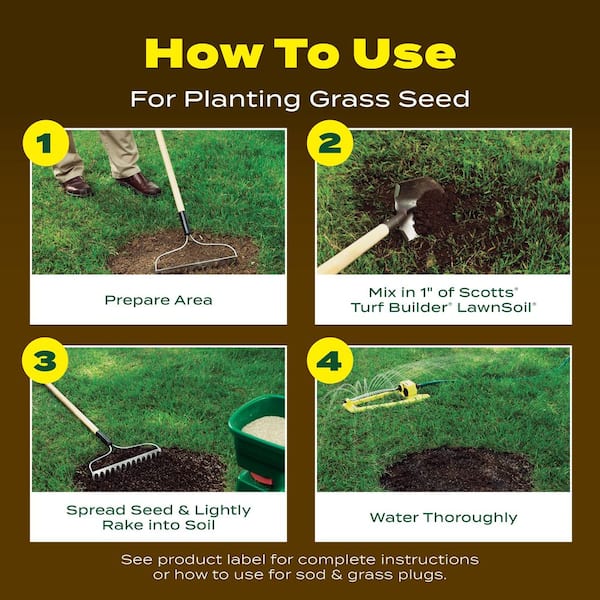
Soil texture, structure, and nutrient content are essential elements that add to the quality of your yard. When soil is in leading condition, it supports strong turf growth and makes your yard more resilient to challenges like dry spell or insects. Getting your soil fit does not need to be made complex.
By learning how to enhance and preserve soil health, you'll ensure your yard not only endures but grows. Healthy soil is essential for a dynamic lawn.
This texture helps roots spread out easily and allows water and air to flow through. Soil likewise needs an excellent structure, which means having areas for roots to grow and earthworms to move, helping to keep everything loose. Nutrients in the soil, like nitrogen, phosphorus, and potassium, are crucial for turf health.
Healthy soil likewise has natural matter, such as compost, which enhances nutrition content and helps soil retain moisture. When soil is in good condition, yard grows lush and thick.

Table of Contents
Latest Posts
Maintaining Lawn Health Through Effective Maintenance Habits
How to Enhance Turf Soil QualityStrategic Lawn Restoration Tips for Success
Maintaining Lawn Vitality Year-RoundStrategic Lawn Renovation Secrets for Success
Latest Posts
Maintaining Lawn Health Through Effective Maintenance Habits
How to Enhance Turf Soil QualityStrategic Lawn Restoration Tips for Success
Maintaining Lawn Vitality Year-RoundStrategic Lawn Renovation Secrets for Success